


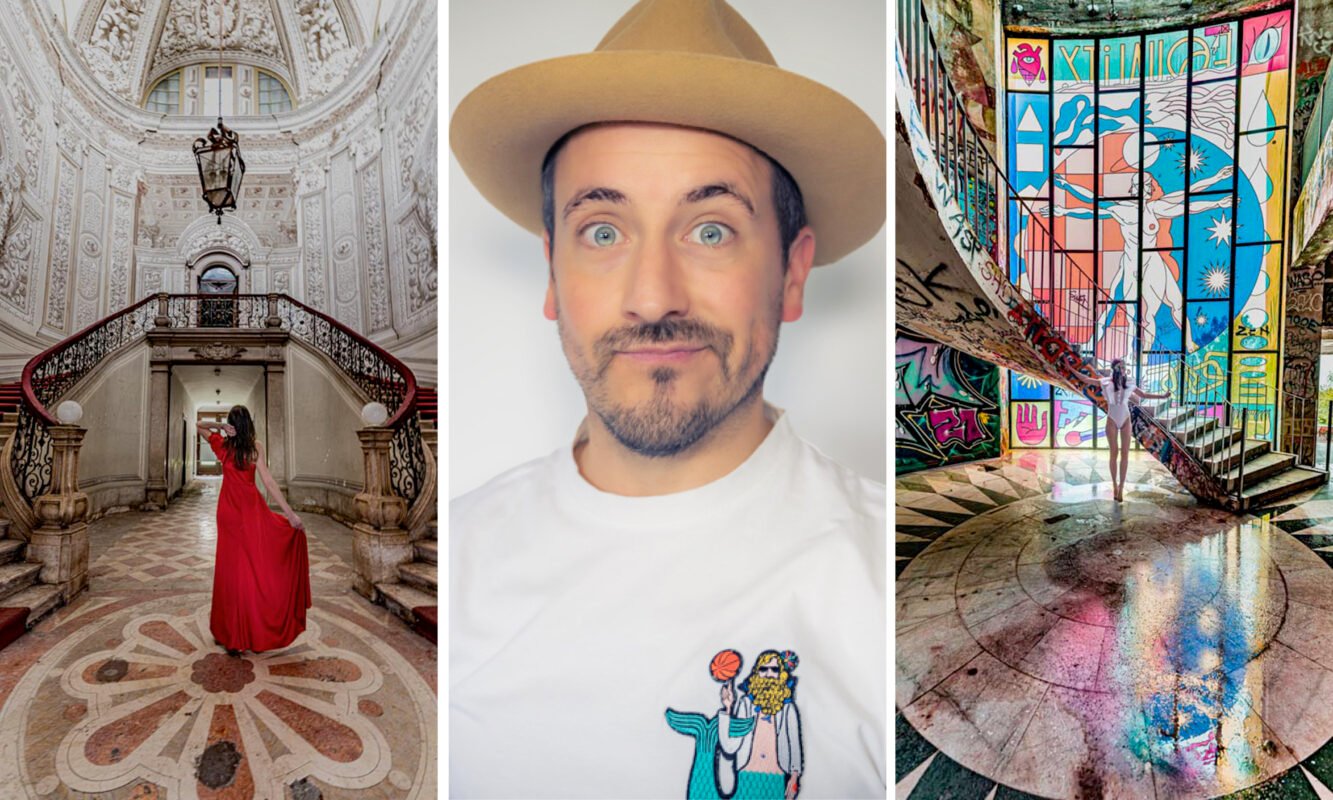
LES photographies D'ALEXANDRE DI PASCOLI
Alexandre Di Pascoli was born in 1985 in Schiltigheim, not far from Strasbourg in Alsace. An engineer by training, he also pursues his lifelong passions: history and architecture. Driven by this enthusiasm, he has already explored many regions in France and around the world. And to keep a record of these extraordinary places, he never forgets to take out his camera lens… which leads us to his other passion: photography, and more specifically Urbex.
Nicknamed “Eye of Isis” and calling himself a “modern-day photographer,” Alexandre Di Pascoli chiefly practices what is known as Urbex. The term comes from English: it is a contraction of “Urban Exploration” which has been shortened to “Urbex.” In French, this corresponds to “exploration urbaine,” meaning visits to abandoned sites. It involves visiting places built by people that have been left deserted for varying lengths of time. The sites explored in Urbex can be very diverse: manor houses, castles, churches, but also industrial wastelands or public buildings like prisons, asylums or hospitals. Alexandre Di Pascoli has a preference for prestigious places, such as castles and manor houses. These places have a mysterious side that intrigues and fascinates him: for what reason could such beautiful properties have been left to decay, until they were forgotten?
Acquire a photograph by Alexandre Di Pascoli
Each work by Alexandre Di Pascoli is available as an original print, individually numbered and signed by the artist, with a certificate of authenticity.
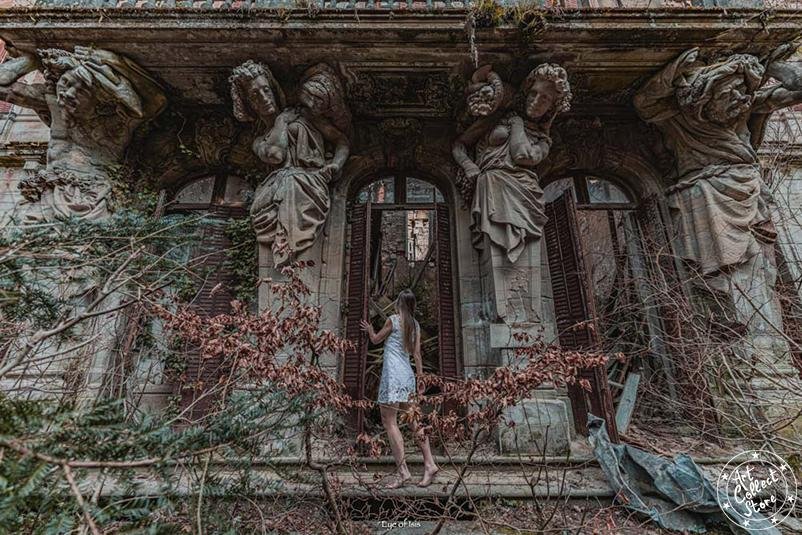
Urbex
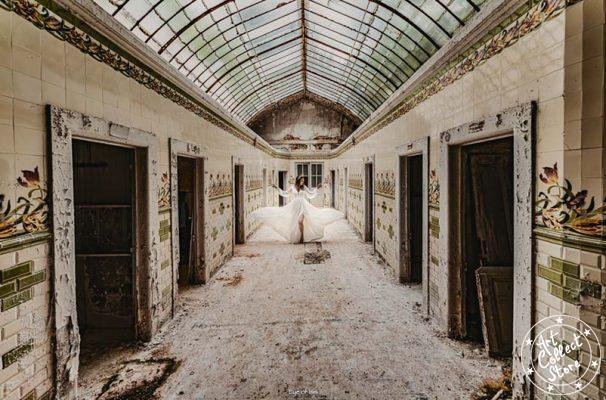
Urbex
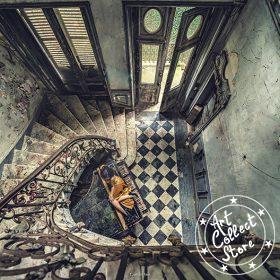
Urbex
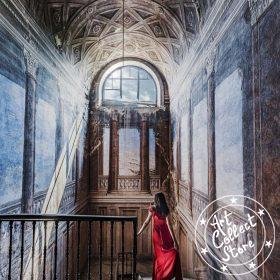
Urbex

Urbex
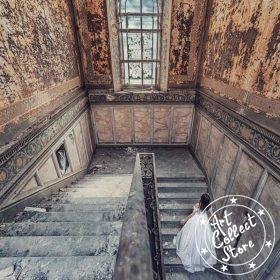
Urbex

Urbex
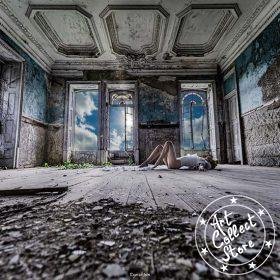
Urbex

Urbex
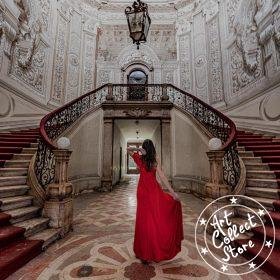
Urbex

Urbex

Urbex
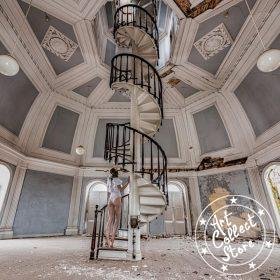
Urbex
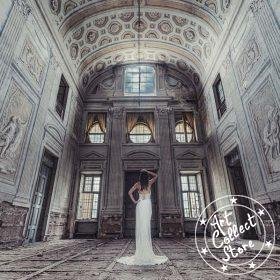
Urbex
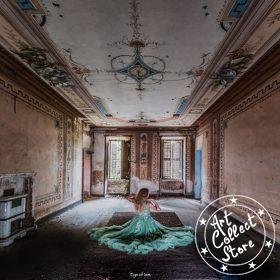
Urbex
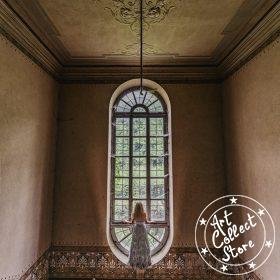
Urbex

Urbex

Urbex

Urbex

Urbex

Urbex

Urbex


Urbex
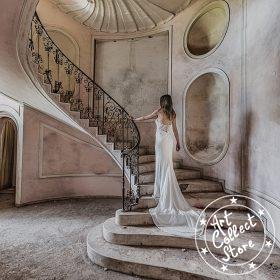
Urbex
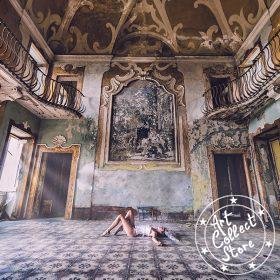
Urbex
Art Collect Store’s opinion
Alexandre Di Pascoli’s photographic work strikes with its quiet precision, his gaze both exact and poetic. Each image seems to open up a space to breathe, a suspension of reality where light becomes a language. This isn’t simply photography — it’s an art of presence, a rare way of capturing the moment without ever freezing it.
His eye captures what many only skim — a texture, an absence, an invisible tension between two elements. You can sense his mastery of composition, but also his humility toward the subject. He doesn’t merely show, he reveals. And that is what makes his work deeply moving.
Alexandre Di Pascoli photographs the way others write or compose — with rigor, with grace, with a desire to share a way of seeing the world that quietly transforms our own.